
The Ohel Is a Study in Hospitality
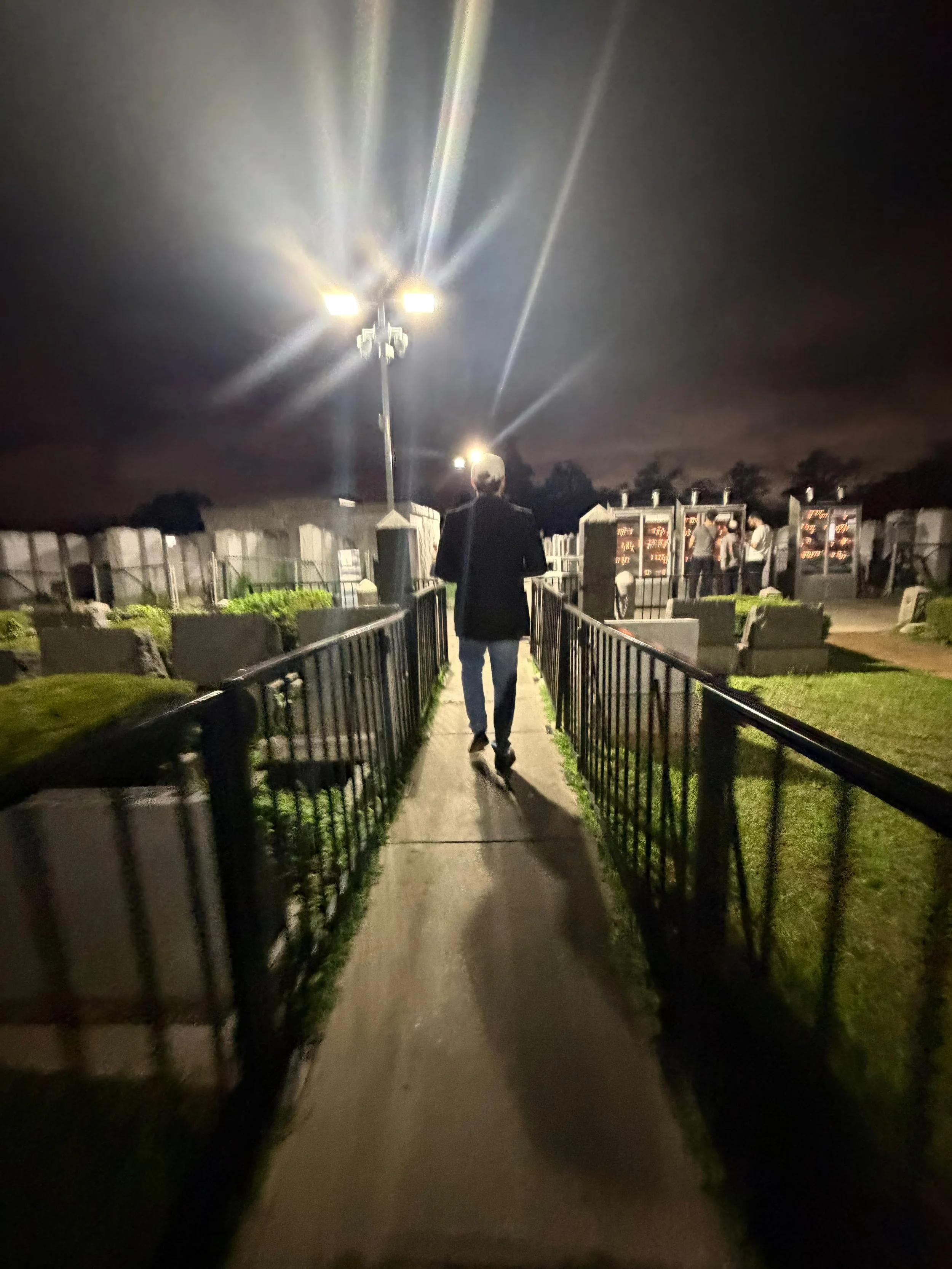
Illuminated pathways leading through the Ohel grounds after dark.
What stands out about the Ohel isn't extravagance or spectacle. Even after decades of growth and expansion, it isn't trying to impress you with architecture or scale.
Instead, almost every design decision seems to answer a single question:
How do we help someone pray without thinking about the building?
As designers, we often think of hospitality as something visible. We talk about beautiful materials, warm lighting, comfortable furniture, memorable branding, or dramatic first impressions. The Ohel reminded me that hospitality isn't primarily about what people notice. It's about everything they don't have to think about.
The lockers were the first thing I noticed. People travel from every corner of the world carrying backpacks, luggage, chargers, wallets, jackets, and everything else that comes with travel. Instead of wondering where to put your belongings, there's an organized place for everything. One small operational decision removes an unnecessary distraction before someone ever begins to pray.
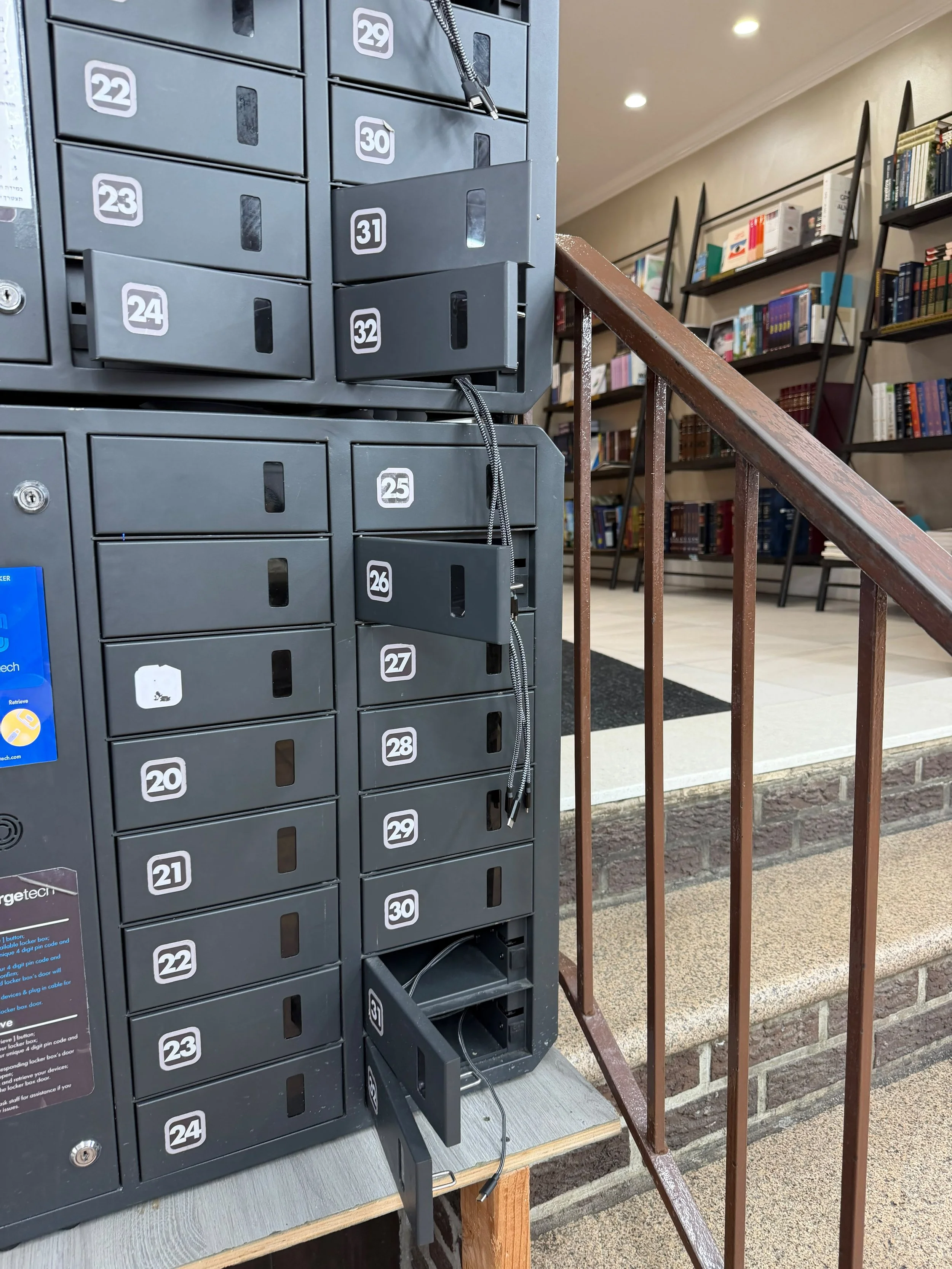

Hospitality begins before prayer.
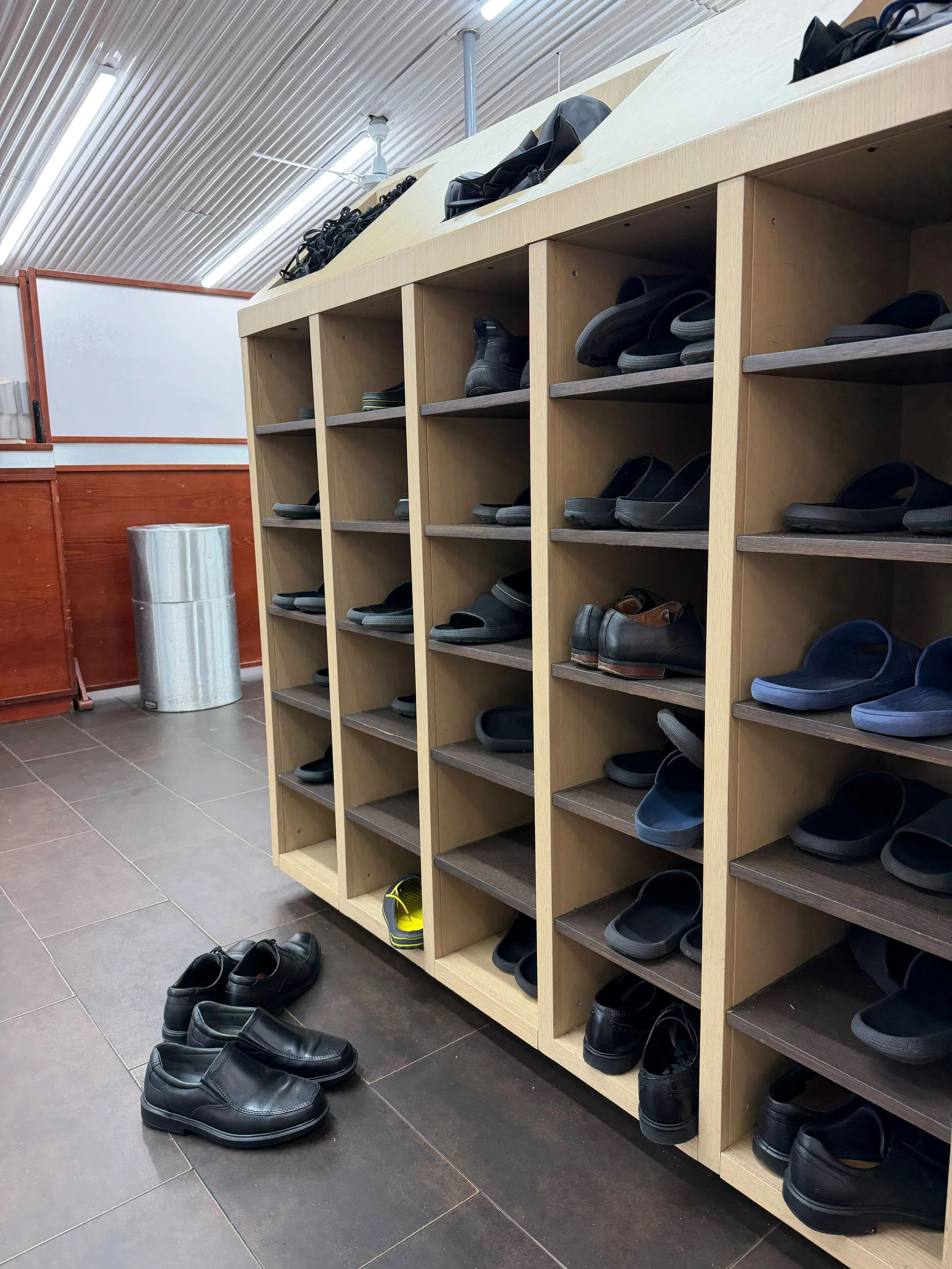
The slippers struck me in the same way. They're not displayed ceremonially or handed out by an attendant. They're simply waiting. If you arrive wearing leather shoes and don't know the custom, the building has already anticipated your uncertainty. No explanation is necessary because the solution is already sitting there.
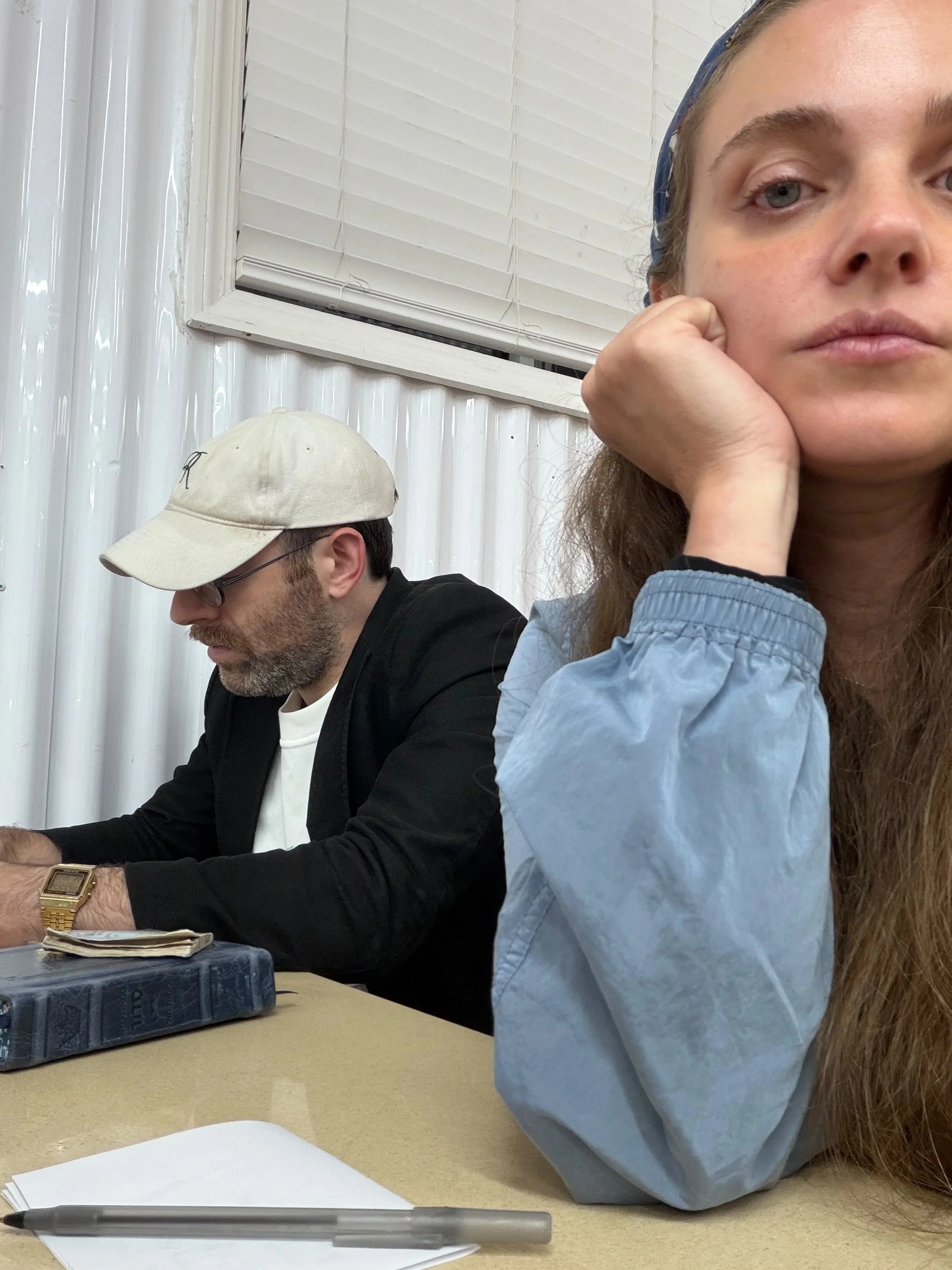
Then there are the pens and the endless supply of paper. The mountain of handwritten notes is astonishing. Thousands upon thousands of prayers folded together, each carrying someone's hope, gratitude, fear, or grief. There is no rationing, no registration, no "one per person." The assumption seems to be that everyone who walks through the door should have everything they need to express whatever is on their heart.

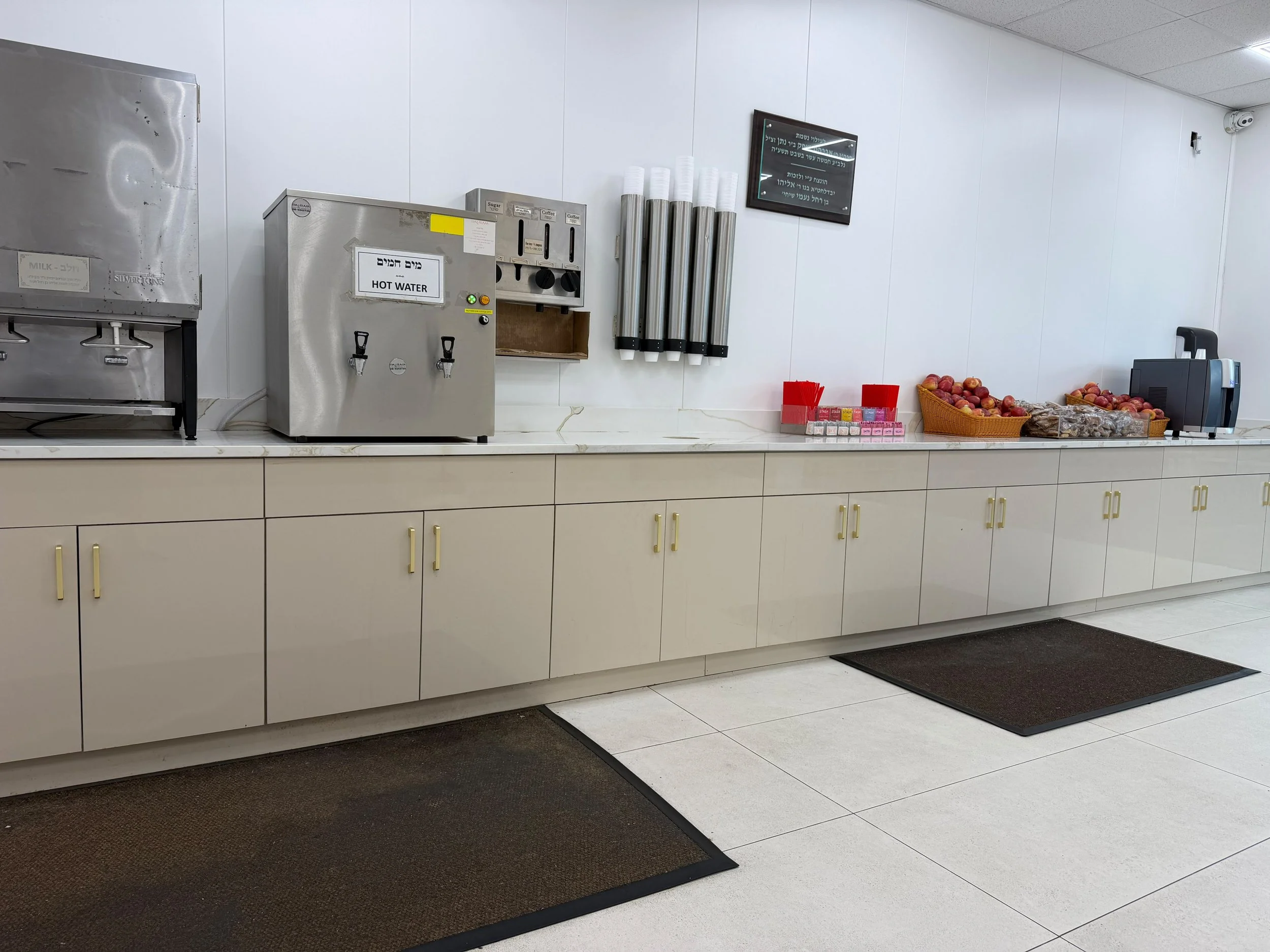
Complimentary refreshments including apples, cake, tea, and coffee for visitors at the Ohel.
The refreshments follow the same philosophy. Apples. Packaged cake. Hot tea and coffee. Nothing luxurious. Nothing designed to impress. Just enough that someone arriving after a long drive—or at two o'clock in the morning—doesn't have to pray hungry or thirsty. The refreshments aren't the destination. They're simply another obstacle quietly removed.
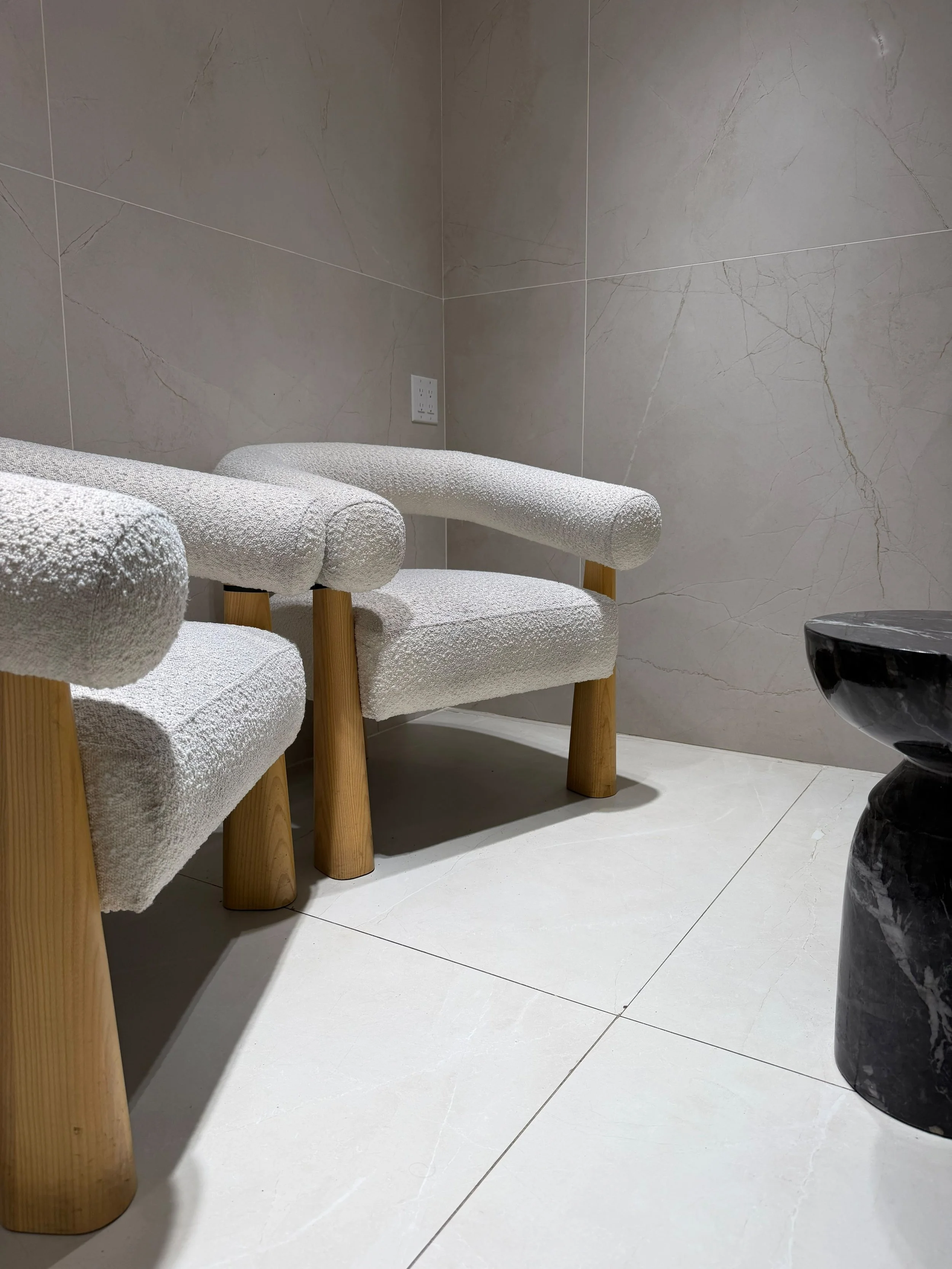
Even the waiting areas communicate care. Comfortable chairs invite people to pause, write, reflect, or simply gather themselves before walking inside. The cemetery remains brightly illuminated after dark, allowing visitors to come late without feeling hurried or unsafe. The environment doesn't insist that people adapt to it. Instead, it adapts itself to the rhythms of the people arriving.
Even the building reflects that mindset. Corrugated walls. Functional finishes. Clean detailing. Very little appears to have been spent trying to impress visitors. Instead, the investment seems to have gone into operations—to anticipating needs, supporting people, and removing friction wherever possible.
Looking back through my camera roll, I realized I hadn't photographed beautiful architecture.
I'd photographed thoughtful decisions.
Every touchpoint answered a question before I had the chance to ask it.
Where do I put my things?
Where do I write?
What if I arrive late?
What if I'm hungry?
What if I don't know the customs?
What if I simply need somewhere to sit for a moment?
That's what makes the Ohel such an interesting study in hospitality. The architecture isn't asking to be admired.
It's quietly saying,
"We've been expecting you."

Perhaps my favorite observation was how little instruction was actually required. There were remarkably few signs telling people what to do. The space itself became the teacher. You see the lockers, so you understand where your belongings belong. You notice everyone writing, so you instinctively reach for a pen. You see the slippers, and without reading a word, you recognize there's a custom being honored.
Thoughtful environments don't rely on instructions.
They communicate through design.
Whether someone arrives deeply observant, spiritually curious, or simply accompanying a friend, the environment lowers one barrier after another until very little remains except the reason they came.
Only after walking through the Ohel did I realize that this feels deeply aligned with Chabad itself. Hospitality isn't treated as an amenity or a department. It's woven so completely into the experience that it almost disappears.
As designers, we spend a great deal of time asking how to create memorable spaces. Walking through the Ohel made me wonder whether that's the wrong question.
Perhaps the better question is:
How do we create a place where people barely have to think about the building at all?
Because when every unnecessary decision has already been made for the visitor, they're finally free to focus on why they came.